


A new roof is one of the most valuable investments you can make in your home, and one of the most unexpected. Whether you are staring down an active leak or simply planning ahead for aging shingles, the price tag can feel daunting. The good news: you rarely have to pay for a roof all at once. From home equity products to contractor payment plans, there are smart, responsible ways to spread the cost while still protecting your home. This guide walks through how to finance a new roof, how most homeowners actually pay for one, and whether a new roof adds home value at resale.
Why Financing a Roof Makes Sense
Your roof is the single most important barrier between your family and the New England weather. When it fails, the damage rarely stays on the roof: water finds its way into insulation, ceilings, and framing, turning a manageable repair into a costly rebuild. Financing lets you address the problem now, before small issues compound, rather than delaying critical work until you have saved enough cash.
Financing also lets you choose the right roof instead of the cheapest one. Spreading payments over time can make premium, longer-lasting materials (and proper ventilation and flashing details) affordable in a monthly budget. If you are not sure whether replacement is truly necessary yet, review the warning signs in our guide on signs you need a new roof before committing to a financing plan.
Your Roof Financing Options
There is no single “best” way to pay for a roof: the right choice depends on your equity, credit, timeline, and how quickly you need the work done. Below are the most common options MetroWest homeowners consider.
- Contractor financing / monthly payment plans: Many reputable roofers, including Black Ladder Group, offer flexible payment options through lending partners. It is convenient, handled alongside your project, and often features promotional terms.
- Home equity loan or HELOC, These borrow against the equity you have built in your home and typically carry the lowest interest rates because they are secured by the property. A HELOC works like a credit line; a home equity loan is a fixed lump sum.
- Personal or “roof” loans, Unsecured loans that fund quickly and do not touch your home equity. Typical market APRs run roughly 10.99%–16.99% depending on credit. Faster to close, but higher rates than equity products.
- Cash-out refinance, Replaces your existing mortgage with a larger one and gives you the difference in cash. Best when current rates are favorable relative to your existing mortgage.
- FHA 203(k) rehab loan, A government-backed loan that rolls home improvements, including roofing, into a single mortgage. Useful during a purchase or major renovation.
- Credit cards, Reserve for short-term or emergency use only. High APRs make them an expensive way to carry a balance for long.
- PACE financing, Repaid through your property tax bill and can cover up to about 20% of your home’s value for qualifying energy-efficient improvements. Availability varies by state and municipality, so confirm whether it is offered in your town.
- Government or utility grants and rebates: Where applicable, these can offset costs for energy-efficient upgrades. Programs change often, so check current local and utility offerings.
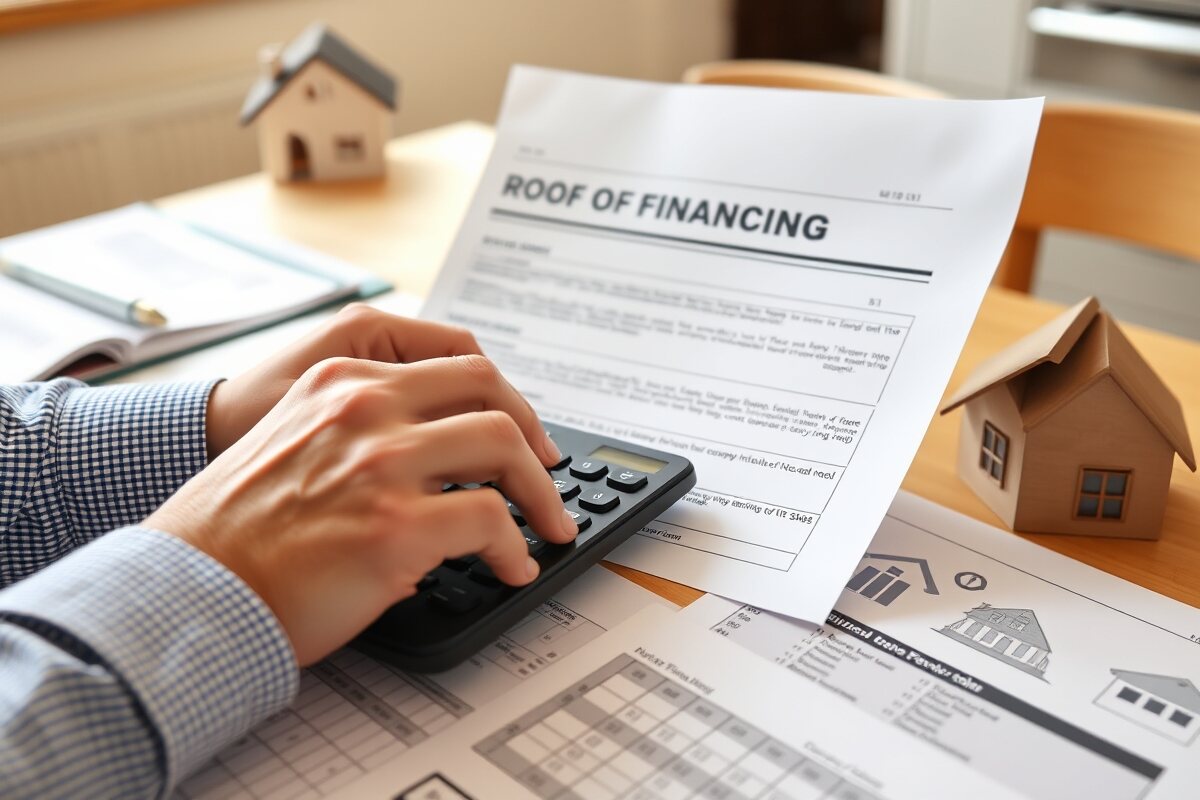
Comparing Roof Financing Options
Each path has trade-offs between speed, cost, and risk. Use the table below as a quick reference, then match the option to your own situation.
| Option | Typical Cost | Best For |
|---|---|---|
| Contractor payment plan | Varies by partner & term | Convenience & promotional terms |
| Home equity loan / HELOC | Usually lowest rates (secured) | Homeowners with built-up equity |
| Personal / roof loan | ~10.99%–16.99% APR (unsecured) | Fast funding, no equity needed |
| Cash-out refinance | Mortgage-rate dependent | Favorable refinance conditions |
| FHA 203(k) loan | Rolled into mortgage | Purchases & major renovations |
| Credit card | High APR | Short-term / emergency only |
| PACE financing | Repaid via property taxes | Energy-efficient upgrades (where offered) |
How Most Homeowners Actually Pay for a Roof
In practice, few people write a single check. Most homeowners combine methods to keep monthly payments comfortable. A common approach is a modest cash deposit paired with a home equity product or a contractor payment plan for the balance. This blends a manageable upfront amount with predictable monthly payments.
Emergencies follow a different pattern. When there is an active leak or storm damage, homeowners often file an insurance claim to cover the covered portion of the work, then use short-term financing to bridge the deductible or to fund voluntary upgrades the policy will not pay for. Knowing the full project scope up front: something you can estimate using our MetroWest roof replacement cost guide: makes it far easier to structure the right mix.
Does a New Roof Add Home Value?
Yes: a new roof is consistently one of the higher-return exterior projects a homeowner can undertake. While it may not recover 100% of its cost line-for-line, it delivers value in several concrete ways:
- Curb appeal: A clean, modern roofline is one of the first things buyers notice and shapes their first impression of the entire home.
- Passing inspections and appraisals, A sound roof helps a sale move forward smoothly, removing a common negotiation sticking point and appraisal concern.
- Insurability: Newer roofs can reduce the insurability problems that sometimes complicate older homes at closing.
- Strong resale recovery, A new roof recovers a large share of its cost at resale, making it one of the more financially sound exterior improvements.
Just as important, a new roof protects the value you already have by preventing the water damage, mold, and structural issues that quietly erode a home’s worth. Explore our roofing services to see how the right system supports both protection and value.
The smartest way to finance a roof is to compare the total cost of borrowing (APR plus fees over the full term) rather than fixating on the lowest monthly payment. A low monthly figure can hide a much larger price tag.
Smart, Responsible Financing Guidance
Financing a roof is a financial decision as much as a construction one. A few principles keep you on solid ground:
- Match the term to how long you’ll stay. If you plan to sell in a few years, avoid stretching payments over a decade. If this is your forever home, a longer term with a lower rate may make sense.
- Look at the total cost of financing. Ask for the APR and any origination or closing fees, then calculate what you will pay over the life of the loan, not just the monthly amount.
- Protect your equity wisely. Secured products offer lower rates but put your home on the line. Borrow only what the project genuinely requires.
- Avoid “deductible-free” deals. Any contractor who offers to waive, absorb, or “eat” your insurance deductible is proposing insurance fraud: walk away. It is illegal and puts you at risk.
- Work with a licensed, insured contractor. Financing a project with an unlicensed roofer is a false economy. Black Ladder Group is fully licensed (MA CSL 116010 · HIC 205360) and insured.
Financing Your Roof with Black Ladder Group
Black Ladder Group is a family-owned MetroWest roofing and exterior contractor serving Concord, Acton, Sudbury, Maynard, Stow, Bedford, Lincoln, Wayland, Weston, Hudson, Littleton, and Harvard. As a certified VELUX, Owens Corning, and James Hardie installer, we build roofs designed to last, and we offer flexible payment options so cost never forces you to compromise on quality.
Because lending programs and promotional terms change, we walk every homeowner through the current options during a free, no-pressure estimate. Visit our financing page for an overview, and see what your neighbors say on our reviews page.
Frequently Asked Questions
What is the cheapest way to finance a new roof?
For most homeowners with built-up equity, a home equity loan or HELOC offers the lowest interest rate because it is secured by your property. Unsecured personal loans fund faster but carry higher APRs, typically in the 10.99%–16.99% market range. The truly cheapest option depends on your credit, equity, and timeline.
Can I finance a roof with bad credit?
Often, yes, though your options narrow and rates rise. Contractor financing partners and some personal-loan lenders work with a range of credit profiles. Adding a larger down payment or using a secured product can also improve your terms. We can point you toward suitable programs during your estimate.
Will insurance pay for my new roof?
Insurance typically covers roof damage from covered events like storms or fallen trees, minus your deductible. It generally does not pay for wear-and-tear replacement or voluntary upgrades. Many homeowners pair an approved claim with financing to cover the deductible or premium materials. Never accept an offer to waive your deductible: it is fraud.
Does a new roof really increase home value?
A new roof reliably improves curb appeal, helps a home pass inspections and appraisals, can ease insurability concerns, and recovers a large share of its cost at resale, making it one of the higher-ROI exterior projects. Just as importantly, it protects the value you already have from water and structural damage.
How long can I finance a roof for?
Terms vary widely by product, from a few years on some contractor plans to 15 years or more on home equity products. The best term matches how long you plan to stay in the home and balances an affordable monthly payment against the total cost of borrowing.
Ready to talk numbers? Contact Black Ladder Group for a free roofing estimate and we will review the current flexible payment options that fit your budget: you can also learn more on our financing page.

