


Choosing between a metal roof and asphalt shingles is one of the biggest decisions a MetroWest Massachusetts homeowner will make. The right answer depends on your budget, how long you plan to stay in the home, and how well the system handles New England's snow, ice, and freeze-thaw cycles. At Black Ladder Group, a family-owned, licensed MA roofing & exterior contractor, we install both systems: so this guide is written to help you decide, not to sell you one material over the other. Below we break down real cost ranges, lifespan, wind and snow performance, common myths, and long-term value.
Asphalt Shingles: The New England Default
Asphalt shingles cover roughly 70–75% of New England roofs, and for good reason. They offer the lowest barrier to entry, a huge range of colors and profiles, and repairs that most qualified roofers can handle quickly and affordably. A quality architectural (dimensional) shingle typically runs about $6–$9 per square foot installed and lasts roughly 15–30 years, depending on ventilation, pitch, and weather exposure.
Not all asphalt is equal. The two main tiers you'll be quoted are:
- 3-tab shingles: the older, flat, budget option. Wind rating around 60–70 mph and a working life of about 15–20 years.
- Architectural shingles: thicker, layered, and dimensional. Wind ratings of 110–130 mph and longer life. This is the New England default, and what we recommend for nearly every home in our service area.
Learn more about the products we install on our architectural shingles and asphalt shingles pages.
Metal Roofing: The Long-Horizon Investment
A standing seam metal roof is the premium end of residential roofing. Expect to invest roughly $18–$24.50 per square foot installed, but in exchange you get a lifespan of 40 to 70+ years, often the last roof you'll ever buy for that home. Metal is exceptionally well suited to New England because it sheds snow readily, resists ice buildup when detailed correctly, and stands up to decades of freeze-thaw stress.
Other advantages include being fire-resistant, energy-efficient (reflective finishes bounce summer heat away from the attic), and fully recyclable at end of life. The trade-offs are a higher upfront cost and the need for specialized installation and repair: this is not a DIY or general-handyman material. See our metal roofing options for finishes and profiles.
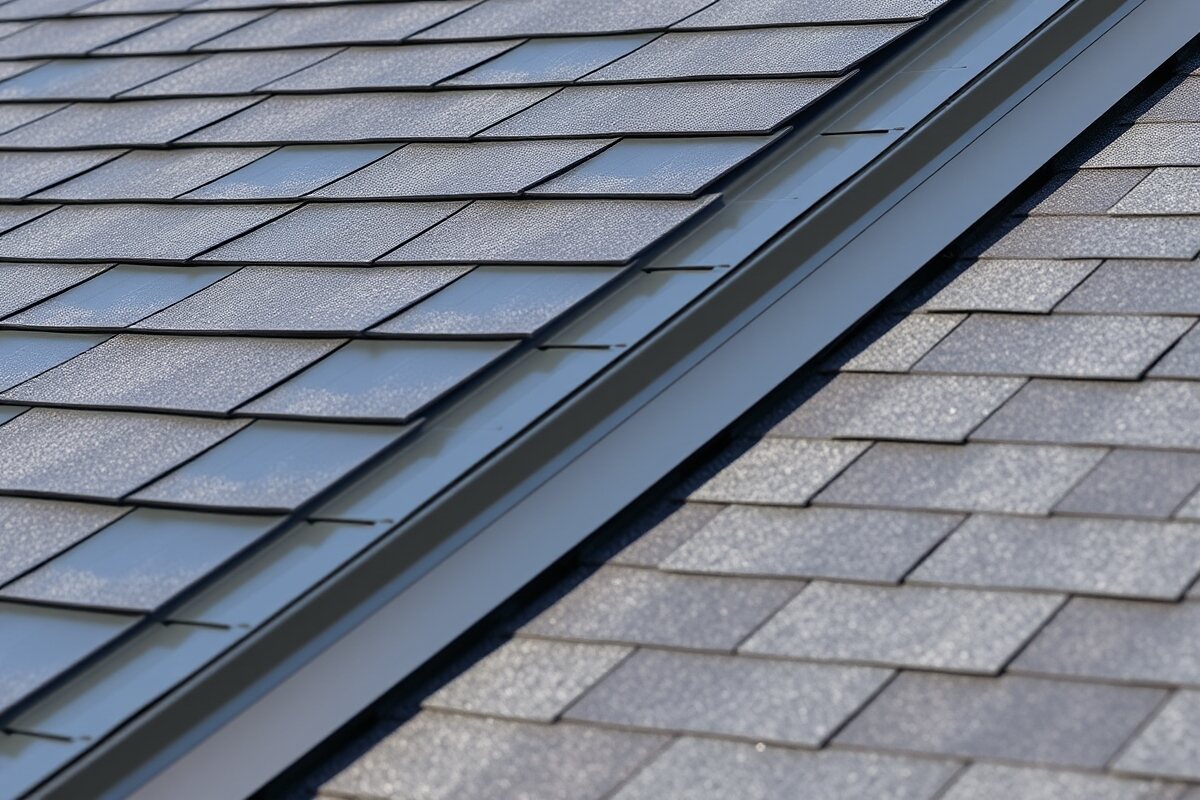
Head-to-Head Comparison
Here is how the two systems stack up on the factors that matter most to New England homeowners.
| Factor | Asphalt (Architectural) | Metal (Standing Seam) |
|---|---|---|
| Upfront cost | $6–$9 / sq ft installed | $18–$24.50 / sq ft installed |
| Lifespan | 15–30 years | 40–70+ years |
| Wind rating | 110–130 mph | Very high (system-dependent) |
| Snow & ice | Good with proper detailing | Excellent, sheds snow, resists ice dams |
| Maintenance | Easy, low-cost repairs | Low, but specialized repair |
| Best for | Budget, resale, broad style choice | Owners staying put; buy-it-once value |
Cost vs. Value: What You Actually Get Back
Both materials improve resale value, but they win in different ways. Asphalt offers strong cost-recovery and a low barrier to entry, which makes it the smart pick if you may sell within 10–15 years or want to control upfront spending. Metal is a long-horizon "buy it once" investment: the higher price is amortized over a lifespan that can outlast two or three asphalt roofs, and it adds a distinctive, low-maintenance selling point for owners who plan to stay put.
The best roof is rarely the cheapest or the most expensive: it's the one matched to how long you'll own the home and how it handles a New England winter.
For a detailed look at what a full re-roof costs in our area, see our 2026 MetroWest roof replacement cost guide.
Built for New England Winters
Our climate is the real deciding factor for many homeowners. New England throws heavy snow loads, ice dams, and relentless freeze-thaw cycling at every roof. Here is how each system responds:
- Snow shedding, metal's slick surface lets snow slide off before it can accumulate into dangerous loads; asphalt holds snow longer.
- Ice-dam resistance: metal paired with proper eave detailing, ventilation, and underlayment strongly resists ice dams. Asphalt can perform well too, but detailing and ventilation are critical.
- Freeze-thaw durability, metal's longevity shines under repeated freeze-thaw stress; quality architectural asphalt holds up well within its shorter service life.
Not sure whether your current roof is failing? Our guide to the signs you need a new roof walks through the warning signs.
Metal Roof Myths, Debunked
A few persistent myths keep homeowners from seriously considering metal. Let's clear them up:
- "Metal roofs attract lightning." They do not. Metal is non-combustible and does not increase the likelihood of a lightning strike.
- "Metal roofs are noisy in the rain." Not when installed correctly. Over solid decking and underlayment, a modern metal roof is no louder than asphalt.
- "Metal blocks Wi-Fi and cell signal." It does not meaningfully interfere with wireless signals in a typical home.
Which Roof Is Right for Your Home?
Choose architectural asphalt if you want the lowest upfront cost, the widest style selection, simple future repairs, and strong resale recovery, especially if you might move within a decade or so. Choose a standing seam metal roof if you plan to stay in the home long-term, want maximum snow and fire performance, and prefer to invest once for 40–70+ years of protection.
As certified VELUX, Owens Corning, and James Hardie installers serving Concord, Acton, Sudbury, Maynard, Stow, Bedford, Lincoln, Wayland, Weston, Hudson, Littleton, and Harvard, we install both systems and will give you an honest, side-by-side recommendation. Explore our full roofing services to see how we work.
Frequently Asked Questions
Is a metal roof worth the extra cost in Massachusetts?
If you plan to stay in your home long-term, often yes. A metal roof's 40–70+ year lifespan and superior snow shedding can outvalue two or three asphalt roofs over the same period. If you may sell within 10–15 years, architectural asphalt usually offers better cost-recovery.
How long does an asphalt roof last in New England?
Architectural asphalt shingles typically last 15–30 years here, depending on ventilation, roof pitch, and weather exposure. Older 3-tab shingles usually last closer to 15–20 years.
Are metal roofs really quieter than people think?
Yes. Installed over solid decking with proper underlayment, a metal roof is no noisier than asphalt during rain or hail. The "loud metal roof" myth comes from bare metal on open framing, which is not how residential roofs are built.
Do you install both metal and asphalt roofing?
We do. Black Ladder Group installs both standing seam metal and architectural asphalt systems, so our recommendation is based on your home and goals, not on whichever material we happen to carry.
Still weighing your options? Contact Black Ladder Group for a free, no-pressure consultation and a written estimate after a full roof inspection.

